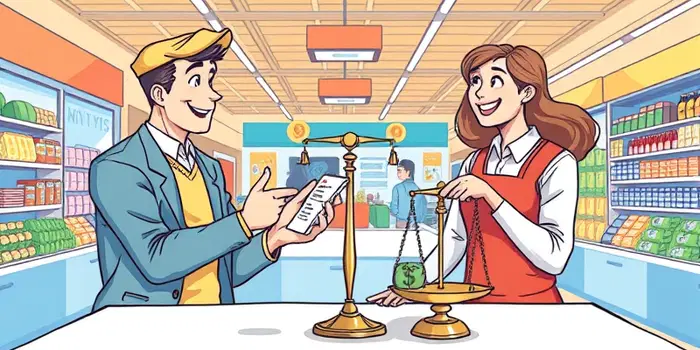
Mastering negotiation is more than haggling over prices—it’s about unlocking the maximum value for every purchase, whether you’re buying a car, furniture, services, or negotiating a salary. This guide will empower you with scientifically backed tactics, real-world examples, and practical tips to transform you into a confident, strategic negotiator.
From preparation to closing techniques, you’ll learn how to build rapport, leverage psychological levers, and secure win-win outcomes without overpaying. Let’s dive in.
Every successful negotiation starts long before you sit at the table. Thorough preparation gives you the confidence and clarity to make compelling asks and withstand seller pressure.
Begin by identifying your BATNA—your best alternative to a negotiated agreement. Knowing what you’ll do if the deal falls through anchors your decisions and prevents you from accepting a subpar offer. For example, when negotiating a car purchase, research competitor dealerships and online platforms to establish comparable pricing and incentives.
Gather hard data on market rates, vendor reliability, and product specifications. Websites, consumer reports, and industry publications are invaluable sources. Aim to speak only 40–60% of the time, according to sales research, to ensure you’re listening for cues and objections.
Once you’ve done your homework, it’s time to wield psychological tactics that gently nudge the conversation in your favor. One of the simplest yet most effective is the strategic pause. After making a request—whether asking for a discount, free delivery, or extended warranty—maintain an awkward silence to reveal concessions. People instinctively fill silence with offers.
Another key technique is open-ended questioning. Instead of demanding, “Give me 10% off,” ask, “What flexibility do you have on this offer?” This phrasing compels the seller to explore options rather than issue a flat rejection. It transforms demands into collaborative problem-solving.
Finally, be mindful of body language and verbal signals. A slight lean forward, nodding, or a soft tone can convey engagement and goodwill, encouraging sellers to reciprocate with better terms. If they deploy a “Good Guy/Bad Guy” routine, calmly reiterate your needs and the alternatives you’ve researched—this will expose any bluff.
With rapport established, it’s time to present mutually beneficial proposals. Focus on multi-issue negotiations, where you bundle several points—price, delivery, service, and payment terms—into a single discussion. This approach creates room for smart tradeoffs that satisfy both sides.
To visualize these tactics, consider the table below summarizing key strategies and their impact:
By mixing and matching these approaches, you create a dynamic negotiation that keeps the seller engaged and responsive.
As you near agreement, maintain focus on both value and relationship. Avoid the temptation to split differences on price alone—for instance, rejecting a mid‐point offer of $415k when your target is $450k vs. $380k. Instead, hold firm or pivot to non‐monetary concessions that cost the seller less but matter greatly to you.
Escalation can also be a powerful tool. If the salesperson balks, politely request to speak with a manager or owner—their broader authority often unlocks extra concessions. And remember, walking away is not defeat but demonstration of your readiness to pursue alternatives, which can trigger last‐minute sweeteners.
Finally, end on a high note. Express appreciation for their time, summarize agreed terms to avoid miscommunication, and confirm next steps in writing. This not only cements the deal but positions you as a professional partner for future negotiations.
Across every transaction, your goal is to foster a lasting win-win relationship, not just a one-time discount. By combining rigorous preparation, nuanced psychology, and creative tradeoffs, you’ll consistently secure more for your money without overpaying.
Now it’s your turn. Review this guide, tailor the tactics to your next purchase, and step into any negotiation with confidence and clarity. Getting more value is within your reach—one strategic conversation at a time.
References