Choosing your first credit card is a milestone that sets the tone for your financial journey. Understanding the fundamentals of secured and unsecured cards can help you build credit responsibly and access better perks in the future.
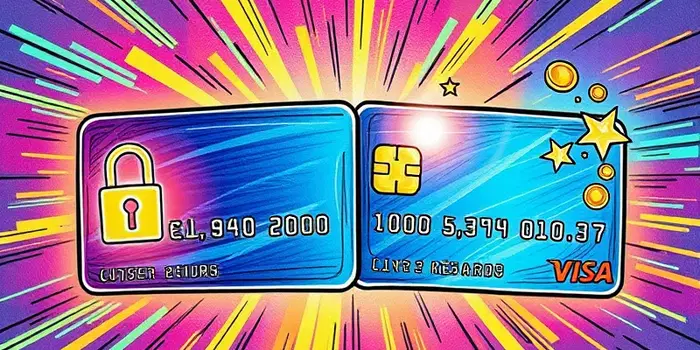
A secured credit card requires a refundable security deposit equal to limit that serves as collateral. This deposit typically ranges from $200 to $5,000. After you make that deposit, the card works like a regular credit card, with your spending limit usually matching your deposit amount.
An unsecured credit card, by contrast, does not require any deposit. Approval is based on your credit score, income, and overall financial history. Unsecured cards often offer higher limits, lower interest rates, and a wider array of rewards and benefits.
Secured credit cards are tailored for those with no credit history or a low credit score. They offer a clear path to build credit responsibly over time by reporting payments to the major bureaus.
If you have a credit score of 670 or above and steady income, an unsecured card may be the better choice. With no deposit required, you enjoy no deposit required for approval and typically access to higher limits and more robust reward structures.
Unsecured cards can include 0% introductory APR periods, travel protections, purchase insurance, and lucrative cash-back or point programs. Approval is more stringent, so responsible credit management is essential before applying.
Selecting the right card depends on your profile. Below are some of the most beginner-friendly options, combining low fees with solid earning potential.
Once you have your first card, focus on establishing healthy habits. Pay balances in full or on time each month, keep your utilization low, and review statements carefully. By maintaining low credit utilization and on-time payments, you demonstrate responsibility to lenders.
Consider setting up automatic payments for the minimum amount, then paying the rest manually before the due date. Over time, timely payments and low balances can unlock higher limits and more premium card offers.
Your first credit card sets the foundation for future financial success. Whether you start with a secured card to establish a history or jump into an unsecured card with attractive perks, responsible management is key. Remember to shop smart and stay informed and revisit your credit strategy annually to ensure it aligns with your evolving goals.
Choosing wisely today builds the credit profile you need for tomorrow’s big milestones—buying a car, renting an apartment, or financing a home. Embark on this journey with confidence, armed with knowledge and purpose.
References