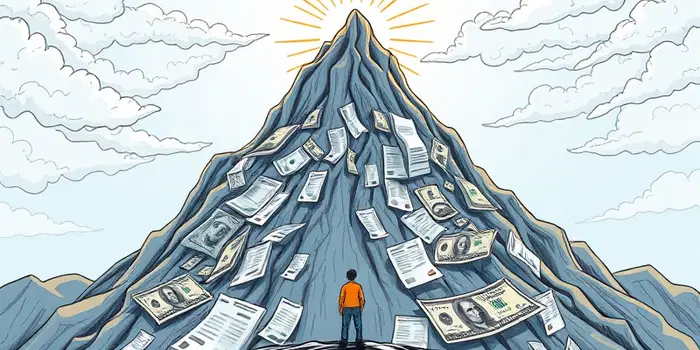
Facing a dip in your credit score can feel like a personal failure, but it can also spark a powerful recovery journey filled with growth and renewed confidence.
Life events such as medical emergencies, job loss, or unexpected repairs often lead to missed payments and rising balances. Remember, payment history equals 35% of your score and is the most influential factor in credit calculations. While negative marks can feel permanent, credit scores ebb and flow over time when you apply consistent effort.
You are not alone in this process. Millions face similar challenges each year. The good news is that with patience, discipline, and strategic actions, you can rebuild your credit and unlock opportunities for lower interest rates, new financing, or that dream home or car.
Begin by obtaining your credit files and examining each account. Errors may linger long after balances are paid. Disputing erroneous late payments or closed accounts can lead to immediate score improvements.
When it comes to on-time payments, consistency is key. Pay more than the minimum payment whenever possible to reduce interest charges and lower your utilization ratio. As Dr. Ann Kaplan, founder of iFinance, observes, making extra payments not only accelerates debt reduction but also signals responsible behavior to lenders.
Managing credit utilization goes beyond a single monthly payment. Consider splitting payments into weekly or biweekly intervals, ensuring the balance reported at the billing cycle end remains beneath 30% of your total limit.
In addition to these tactics, consider enrolling in a debt management program if you need structured support. These programs can negotiate lower interest rates, waive fees, and consolidate payments into a single monthly bill.
As you progress, track your credit score monthly using tools like Credit Sesame or Credit Karma. Celebrate each milestone—be it removal of a late payment entry, a lower utilization ratio, or reaching a target score threshold.
Rebuilding credit is not just about numbers; it’s about regaining control of your financial life. Cultivating a long-term mindset ensures you resist the temptation of new debt and maintain habits that sustain healthy credit well into the future.
Picture your financial life six months from now: lower interest charges, stronger loan approvals, and the peace of mind that comes from knowing you’ve conquered your setbacks. Every payment, every negotiation, and every disciplined saving habit brings you closer to that moment.
Remember, the journey may take time, but each step forward is progress. With these actionable strategies and an unwavering commitment, your credit card comeback is not just possible—it’s inevitable.
References